

Welcome to the ISDSS Blog
Want to stay on top of chemical safety and compliance?
Our blog is here to help. Whether you're trying to make sense of COSHH rules or just want practical tips for handling hazardous materials, you'll find simple, expert-backed advice you can actually use. We cover the key things every business needs to know to stay safe and compliant — without the jargon. Take a look at our latest posts and keep your safety knowledge sharp.
Blog
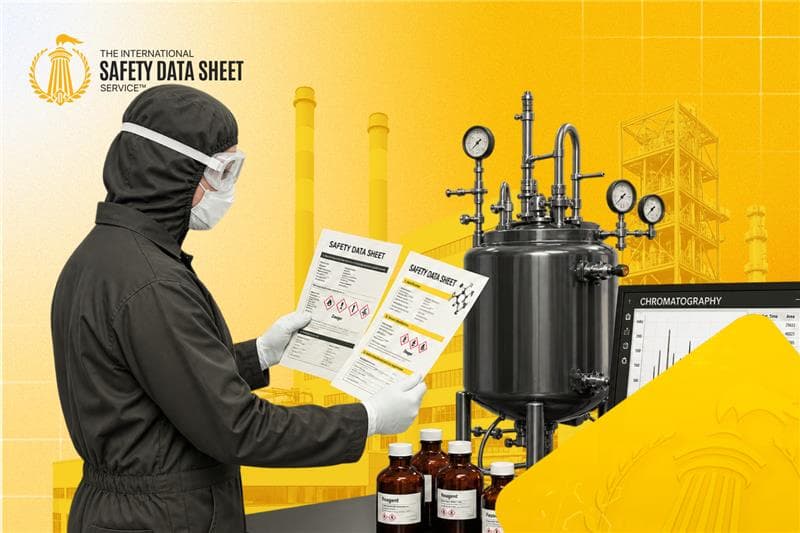
Who Is Responsible for Producing a Safety Data Sheet?
Article 31 of UK REACH places the SDS duty on the supplier, the manufacturer, importer or formulator placing the substance on the market, not on the distributor or employer using it downstream.
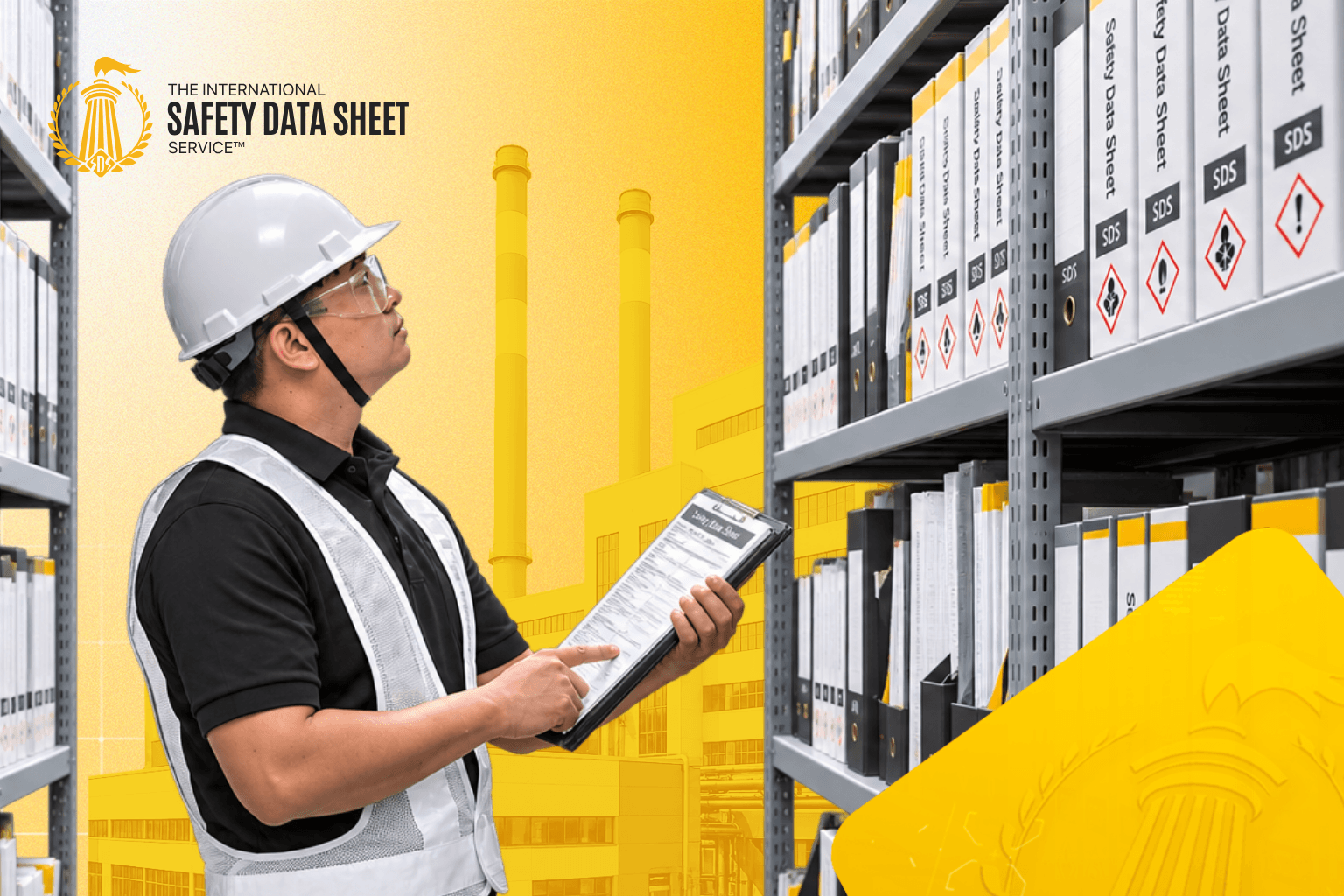
How Long Do You Need to Keep a Safety Data Sheet?
The SDS needs to stay current and accessible for as long as the substance is in use. Keeping old versions afterwards is good practice, not a separate legal deadline with its own number attached.

What Is Section 8 of a Safety Data Sheet?
It sets out workplace exposure limits, engineering controls and the personal protective equipment required once those controls are in place.

What Does 'Danger' vs 'Warning' Mean on a Chemical Label?
Danger and Warning are the two signal words used on UK chemical labels. Learn what separates them and why the signal word is only the start of the hazard picture.
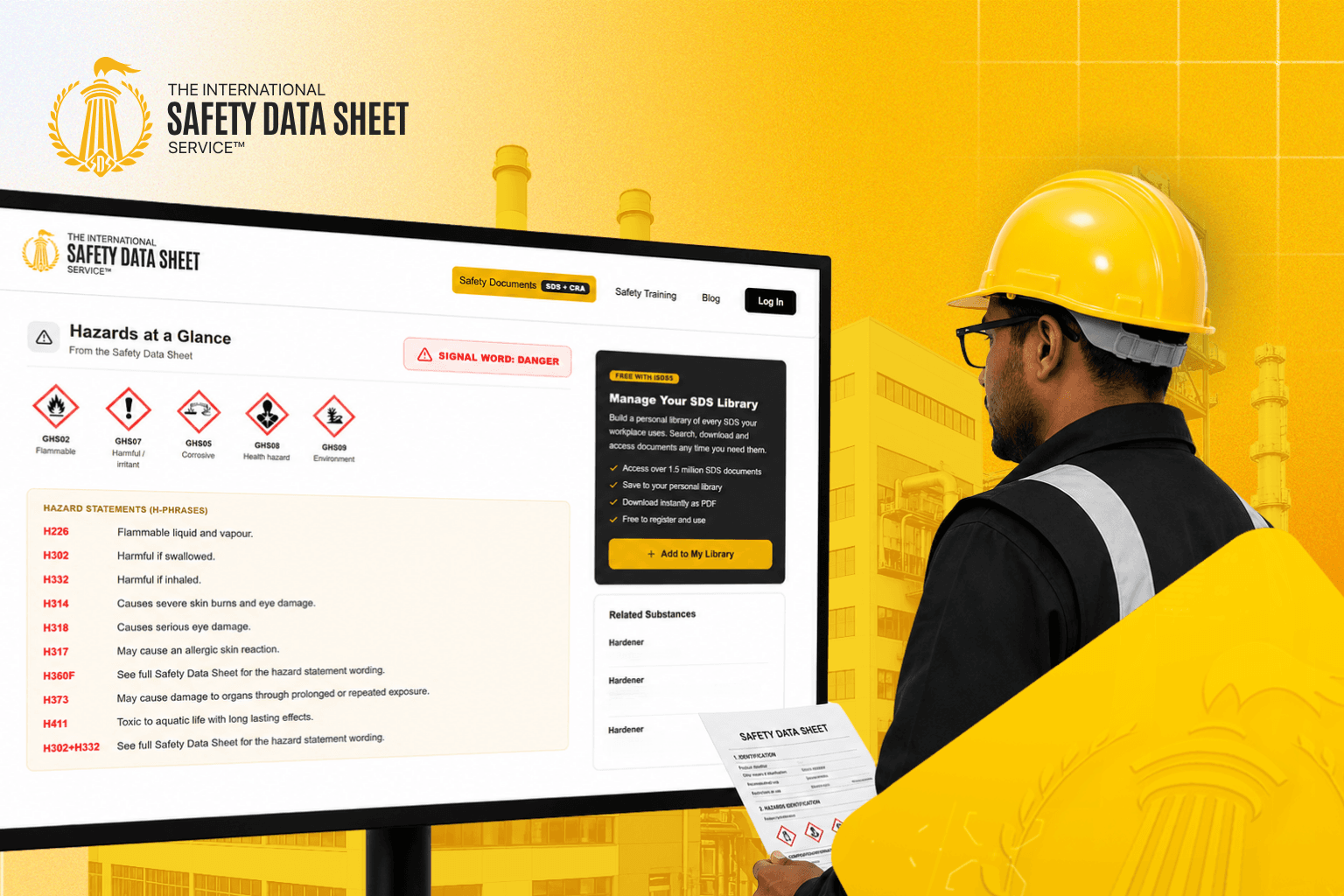
H-Phrases and P-Phrases: What They Mean on a Safety Data Sheet
A plain-English guide to H-phrases and P-phrases, what their codes mean, and where hazard and precautionary statements appear on a Safety Data Sheet.
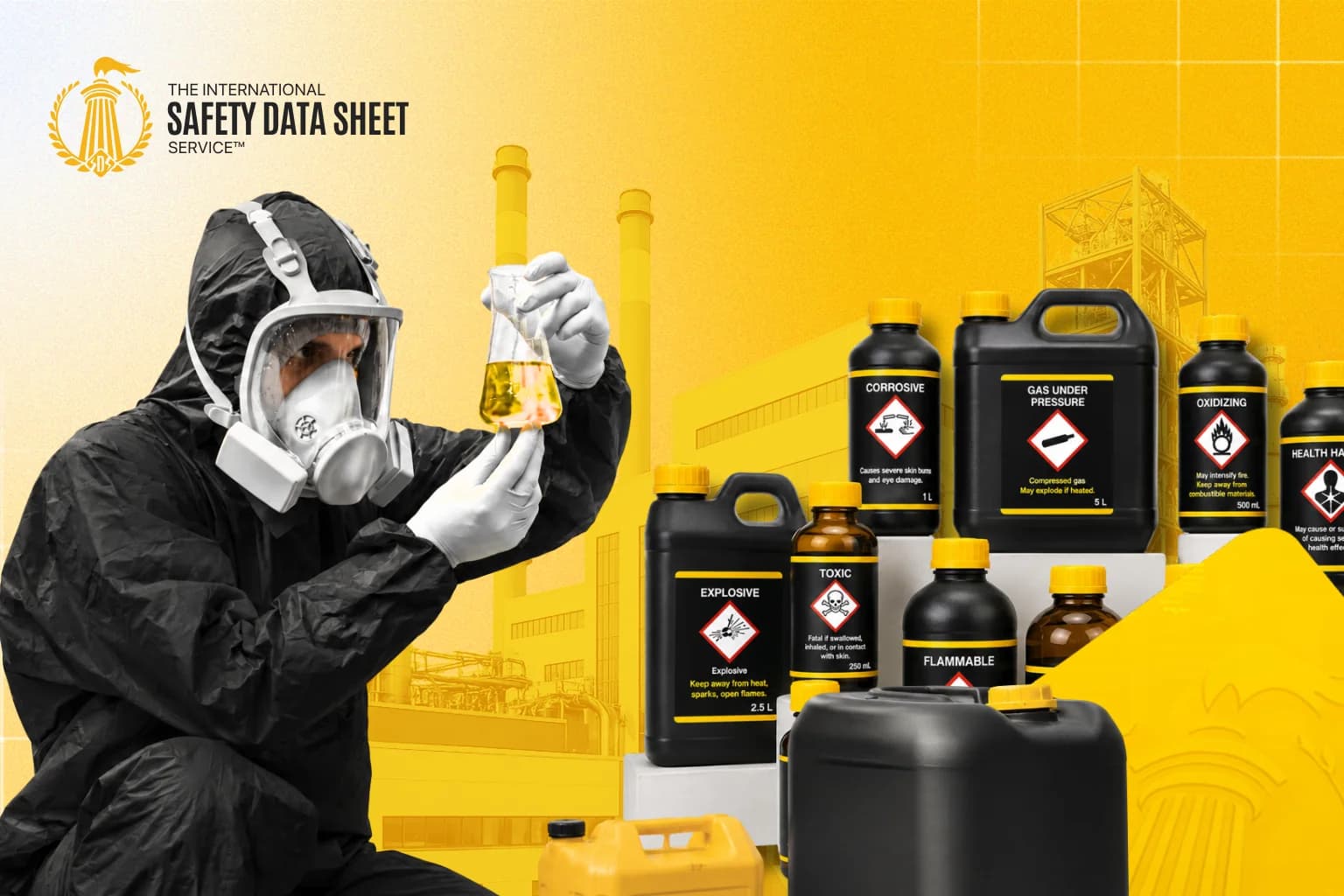
GHS Hazard Pictograms Explained: All 9 Symbols
What each of the nine GHS hazard pictograms means, from explosive and flammable substances to serious health hazards and environmental damage, and how to read them alongside a chemical label and Safety Data Sheet.

Find out what others think of our SDS management platform service!


KEIRA MARSHALL
This company is outstanding! Next year, I will without a doubt use them once more for my safety data sheet service requirements. I wholeheartedly endorse them.
JONATHAN FORSTER
With the Safety Data Sheet Software from this company, you can't go wrong. It's fantastic from beginning to end, therefore I have used it and will continue to use it.
NATHAN ROWLEY
The Knights of Safety Ltd's safety data sheet services are top-notch. They provide comprehensive and easy-to-understand information that ensures the safety of my company and employees. Their team is knowledgeable and efficient in their delivery of services. I highly recommend them.
Get access to over 1.5 million Safety Data Sheets here!
Find everything you need in our extensive and updated SDS library