

Welcome to the ISDSS Blog
Want to stay on top of chemical safety and compliance?
Our blog is here to help. Whether you're trying to make sense of COSHH rules or just want practical tips for handling hazardous materials, you'll find simple, expert-backed advice you can actually use. We cover the key things every business needs to know to stay safe and compliant — without the jargon. Take a look at our latest posts and keep your safety knowledge sharp.
Blog
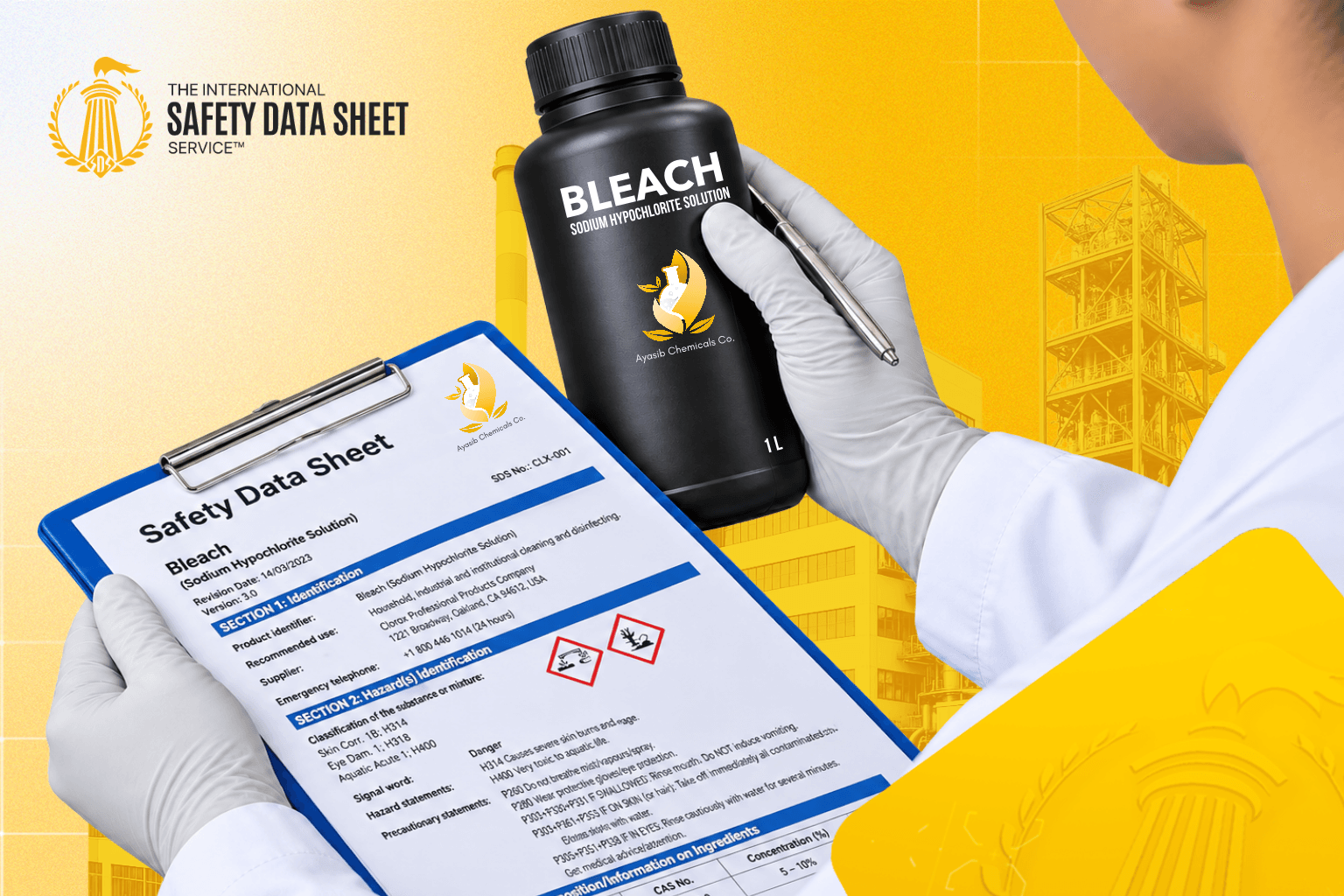
Bleach SDS Explained: Ingredients and Concentration
Why one bleach is labelled corrosive and another only irritant, and how to read the ingredients and concentrations on a bleach SDS.

Petroleum Distillates: Why Are They Dangerous?
One label name, many different liquids. Why nearly every thin petroleum distillate carries Danger, even the ones that won't catch fire easily.
Glass Cleaner SDS Explained: Why Formulations Differ
Why do glass cleaners have different SDS classifications? See how ingredients, concentration and product form change the hazards, PPE and COSHH controls.
White Spirit: Why Is It Dangerous?
White spirit carries a Danger label despite a mid-range flammability category. Its fire, vapour, swallowing and long-term health hazards explained, with what COSHH requires at work.
UK REACH Deadline Pushed Back to 2029: What Actually Changes
The UK REACH registration deadline has officially shifted, moving the goalposts out to 27 October 2029. Here's exactly what changed, who it affects, and what hasn't changed.
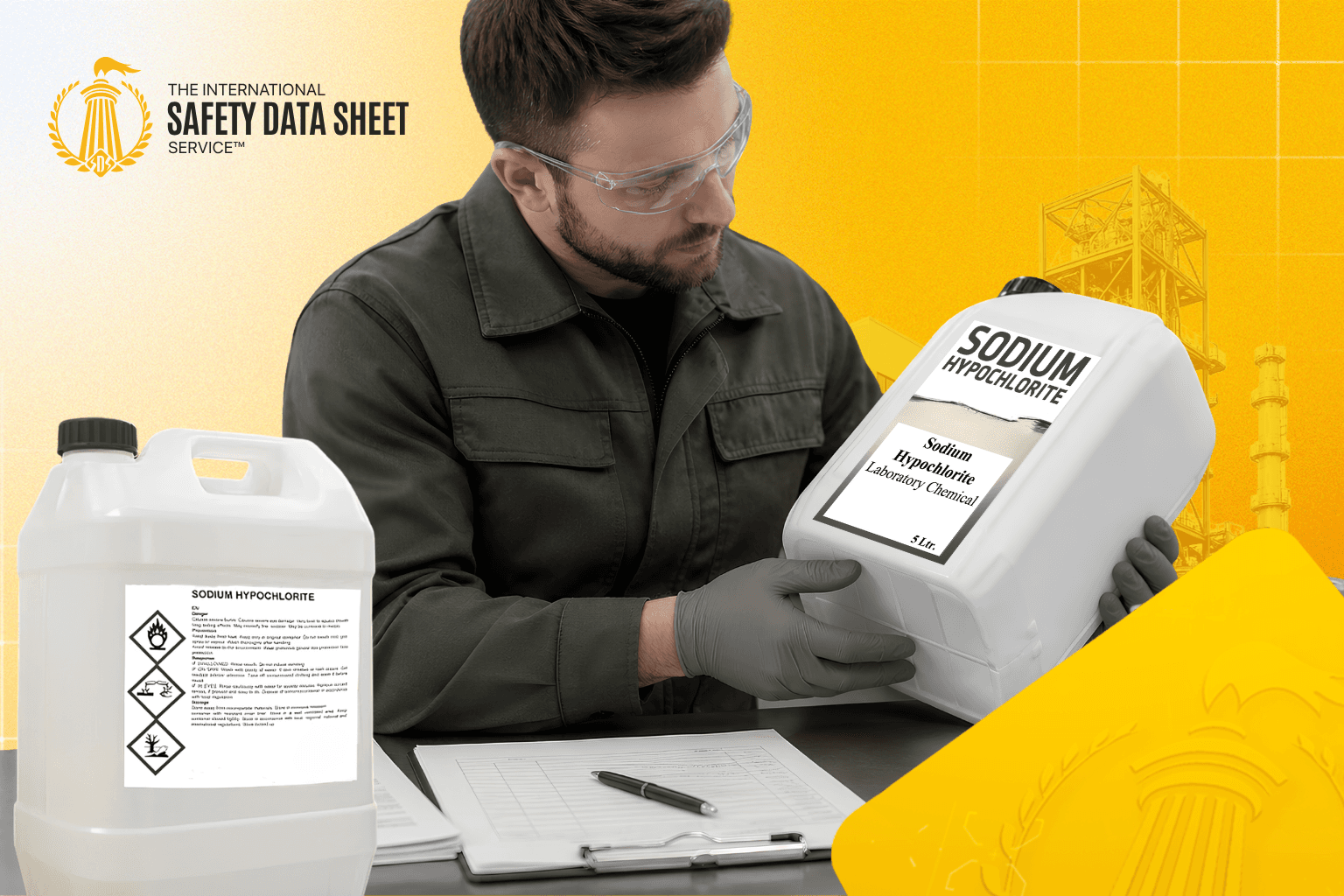
Sodium Hypochlorite (Bleach): Why Is It Dangerous? Understanding the SDS Hazards
Sodium hypochlorite, the active ingredient in household and industrial bleach, can be corrosive to skin and eyes depending on the formulation, and it reacts with common acidic and ammonia-based products to release toxic gas.

Find out what others think of our SDS management platform service!


KEIRA MARSHALL
This company is outstanding! Next year, I will without a doubt use them once more for my safety data sheet service requirements. I wholeheartedly endorse them.
JONATHAN FORSTER
With the Safety Data Sheet Software from this company, you can't go wrong. It's fantastic from beginning to end, therefore I have used it and will continue to use it.
NATHAN ROWLEY
The Knights of Safety Ltd's safety data sheet services are top-notch. They provide comprehensive and easy-to-understand information that ensures the safety of my company and employees. Their team is knowledgeable and efficient in their delivery of services. I highly recommend them.
Get access to over 1.5 million Safety Data Sheets here!
Find everything you need in our extensive and updated SDS library