What is COSHH and Who Does it Apply To in the UK?
Most people working in UK businesses have heard of COSHH at some point. It often comes up during inductions, safety briefings, and workplace inspections. But while the acronym is familiar, the actual requirements are not always well understood. Knowing what COSHH involves is essential for anyone responsible for managing health and safety risks at work.
What is COSHH?
COSHH stands for Control of Substances Hazardous to Health. It is a set of regulations that have been in place in the UK since 1988, with the current version dating from 2002. The core idea is simple: if substances in your workplace can harm people, you need to know about it, assess the risk, and do something about it. The regulations cover a wide range of substances that people might not immediately think of as hazardous:- Chemicals such as solvents, cleaning products, paints, adhesives and fuels
- Dusts including flour, wood, silica and metal particles
- Fumes and vapours from welding, exhausts and chemical processes
- Biological agents like bacteria, moulds and viruses that can cause illness
- Newer materials such as nanoparticles used in modern manufacturing
What Does COSHH Actually Require?
The HSE sets out a clear list of responsibilities under COSHH. Employers must:- Carry out a COSHH risk assessment for every hazardous substance in use
- Put control measures in place, which might mean ventilation, safe handling procedures or PPE
- Make sure workers have the training and information they need
- Monitor exposure where necessary and keep health records
COSHH and the Safety Data Sheet
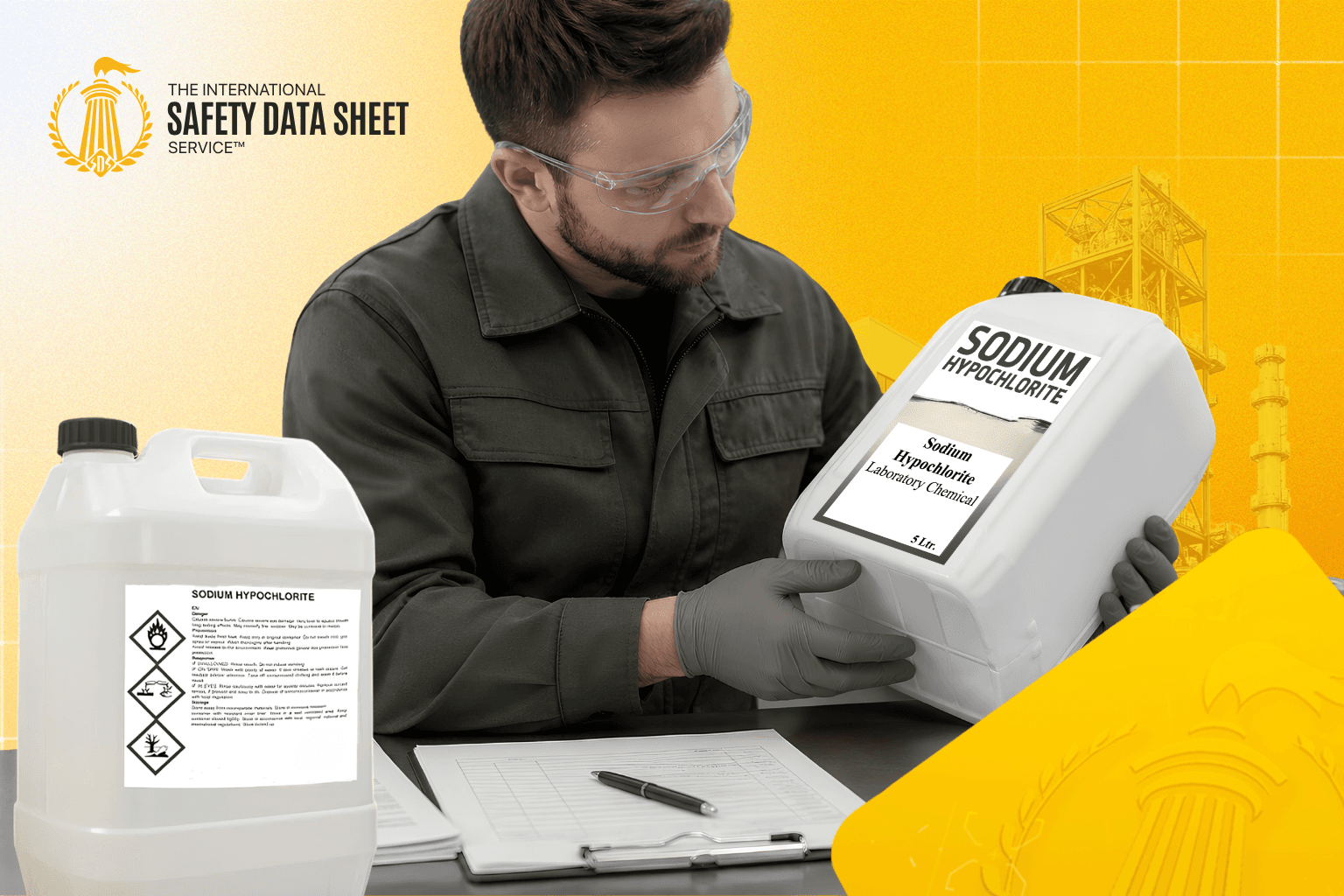
Under COSHH, employers are required to have access to a current Safety Data Sheet for every hazardous substance they use. The SDS is the document that tells you what classification a substance carries, what the exposure limits are, how to respond in an emergency, and what controls are appropriate. In other words, the SDS is not just a compliance document to file away. It is the foundation that a COSHH risk assessment is built on. Two practical requirements follow from this. You need to get an SDS from the manufacturer or supplier before you start using a new substance. And you need to make sure it stays current, because manufacturers revise SDS documents regularly as new hazard data comes in. An SDS that was accurate three years ago may no longer reflect how a substance is classified today. ISDSS provides free access to over 1.5 million Safety Data Sheets, searchable by product name or manufacturer. You can build a personal library of the substances your workplace uses and download the matching SDS for each product. This is one of the most common gaps we see. Workplaces have SDS documents, but they are outdated, stored somewhere nobody can find them, or not matched to the actual products on site. Getting this right is not complicated, but it does require a system.Who Does COSHH Apply To?
COSHH is broad in scope. It applies across virtually every sector where people work with or around substances that could harm their health.Employers
Employers carry the main legal responsibility. That means identifying every hazardous substance on site, completing COSHH assessments, putting controls in place, training staff, and keeping SDS documents current and accessible. Getting this wrong is a criminal matter, not just an admin issue.Employees
Employees are responsible for following safe working procedures, using protective equipment properly, and raising concerns when something does not seem right. Understanding how to read a Safety Data Sheet is part of being able to do that well.Self-employed workers
If you work for yourself and your work involves hazardous substances, COSHH still applies. The standard is the same whether you are an employer with fifty staff or a sole trader working on your own.Which Industries are Most Affected?
COSHH affects virtually every sector, but some feel it more than others:- Manufacturing, including chemicals, plastics and metal finishing
- Construction, where cement dust, silica and solvents are routine hazards
- Healthcare, with exposure to disinfectants, clinical waste and biological agents
- Food preparation, where flour dust and cleaning chemicals both present risks
- Cleaning services, working with bleach, detergents and chemical sprays regularly
What COSHH Does Not Cover
A few categories of hazardous substance fall under separate legislation rather than COSHH. These include:- Asbestos, which is covered by the Control of Asbestos Regulations 2012
- Lead, covered by the Control of Lead at Work Regulations 2002
- Radioactive substances, covered by the Ionising Radiations Regulations 2017
- Flammable and explosive risks, covered by DSEAR
Why This Actually Matters
The Health and Safety Executive estimates that around 11,000 deaths in Great Britain each year are linked to past exposure to hazardous substances at work, the majority from occupational lung disease caused by dust, chemicals and asbestos. These are not accidents in the traditional sense. They are the result of years of uncontrolled or poorly managed exposure. For employers, the consequences of getting COSHH wrong go beyond the obvious. There is the legal side: breaching COSHH is a criminal offence that can result in unlimited fines. There is the human side: workers developing conditions that affect them for the rest of their lives. And there is the practical side: businesses that take health and safety seriously tend to have better retention, fewer sick days and stronger operational standards overall. Most of the time, doing COSHH properly is not complicated. It is a matter of knowing what is on site, having the right information to hand, and making sure the people doing the work understand what they are dealing with.Frequently Asked Questions
Does every workplace need a COSHH risk assessment?
Not necessarily. It's only required where employees are exposed to substances that could harm their health. If hazardous substances are used, stored or generated during work activities, employers must assess the risks and put controls in place.
How often should a COSHH risk assessment be reviewed?
Whenever something significant changes: a new chemical is introduced, an SDS is updated, a work process changes, or a new health risk is identified. Regular review keeps the controls effective.
Who is responsible for providing a Safety Data Sheet?
The supplier or manufacturer of the hazardous chemical. Employers must ensure the latest version is available and easily accessible to anyone who uses the substance.
Can one COSHH assessment cover multiple substances?
Sometimes, if several substances are used the same way and present similar risks. Even then, each one needs individual consideration to make sure its specific hazards and controls are addressed.
What happens if a business doesn't comply with COSHH?
The HSE can issue improvement or prohibition notices, or prosecute. Beyond the legal risk, poor COSHH management increases the risk of work-related illness or long-term health conditions among employees.
You Might Also Find Useful
Free SDS and Chemical Risk Assessments
Search more than 1.5 million Safety Data Sheets and linked Chemical Risk Assessments.
- ✓ Search by substance, product, or manufacturer
- ✓ Save documents to your library
- ✓ Register free in under two minutes