Safety Data Sheet Chemical Risk Assessment

Phenol:chloroform:isoamyl Alcohol (25:24:1), Molecular Biology Grade, Ultrapure, Thermo Scientific

by Thermo Fisher (Kandel) GmbH

SDS · PDF, approx. 220 KB CRA · PDF, approx. 180 KB

Phenol:Chloroform:Isoamyl Alcohol (25:24:1), Molecular Biology Grade, Ultrapure, Thermo Scientific is supplied by Thermo Fisher (Kandel) GmbH under product code J75831. This page provides both the Safety Data Sheet (SDS) and the Chemical Risk Assessment (CRA) for this substance, under GHS/CLP regulations for UK workplace use under COSHH. The full SDS and CRA documents are available to download above.

This SDS was last revised on 28 May 2024. The matching CRA is updated in line with SDS revisions. Workplaces handling this substance should retain a current SDS and risk assessment for the duration of use.


Language
English
Regulation
GHS/CLP
Revision Date
28 May 2024
Signal Word
DANGER
Product Code
J75831
CAS Number
108-95-2,67-66-3,123-51-3

Switch between the Safety Data Sheet and the Chemical Risk Assessment for this substance.
Hazards at a Glance From the Safety Data Sheet
Signal Word: DANGER

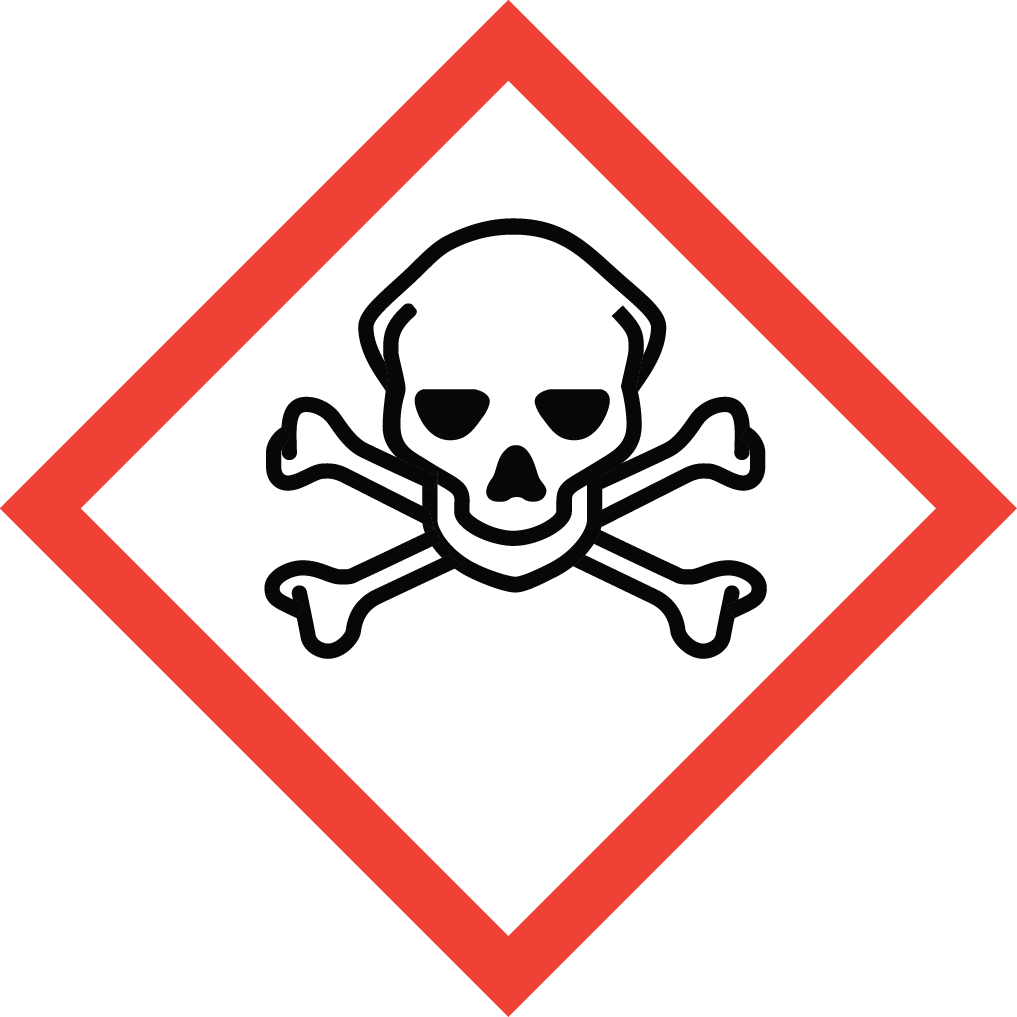
Acute toxicity GHS06 Acute toxicity
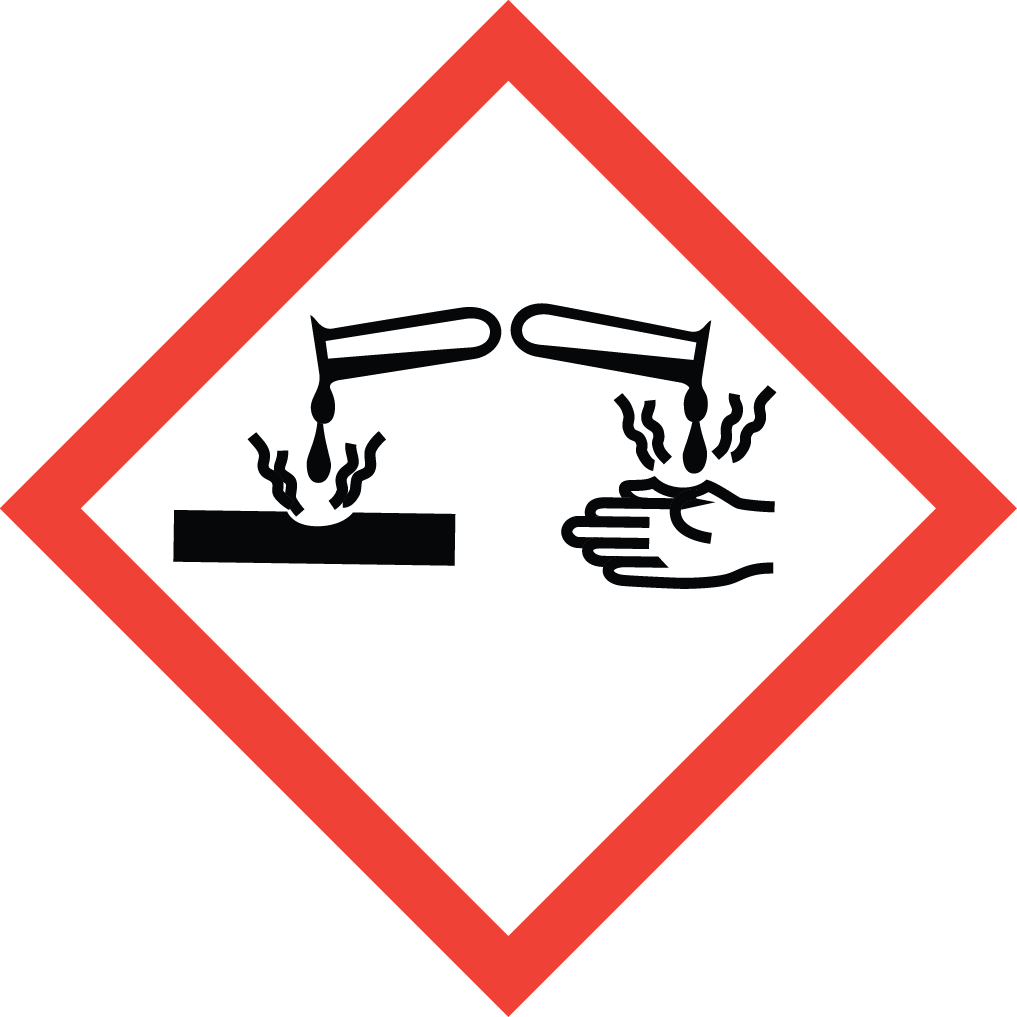
Corrosive GHS05 Corrosive
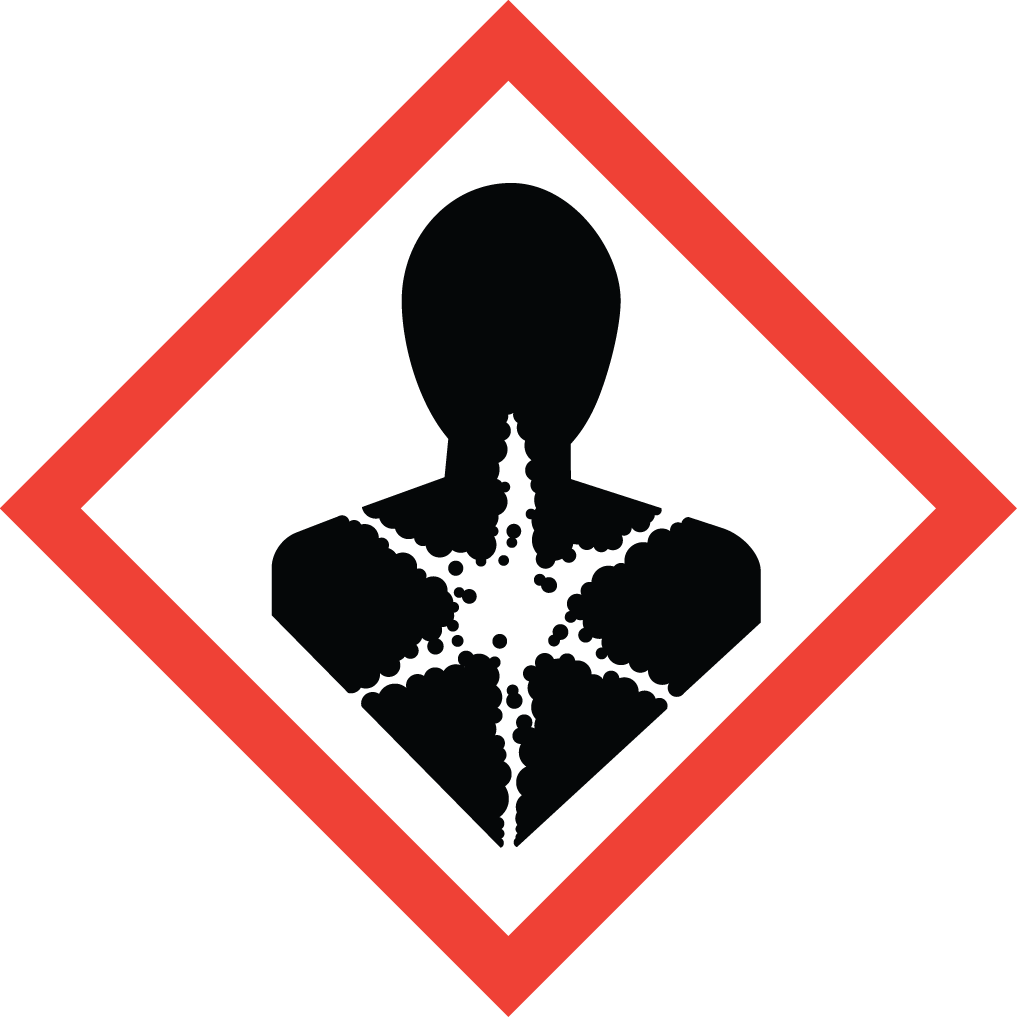
Health hazard GHS08 Health hazard
Hazard Statements (H-phrases)
H301
Toxic if swallowed.
H311
Toxic in contact with skin.
H331
Toxic if inhaled.
H314
Causes severe skin burns and eye damage.
H318
Causes serious eye damage.
H341
Suspected of causing genetic defects.
H351
Suspected of causing cancer.
H361D
See full Safety Data Sheet for the hazard statement wording.
H372
Causes damage to organs through prolonged or repeated exposure.
EUH066
Repeated exposure may cause skin dryness or cracking.

Need the full hazard breakdown? Precautionary statements, first aid, physical properties and exposure controls are in the full SDS PDF.


Common Questions About this Safety Data Sheet

This Safety Data Sheet was issued by Thermo Fisher (Kandel) GmbH on 28 May 2024 under GHS/CLP. ISDSS syncs its database regularly to keep documents current.
Yes, a free ISDSS account is required to download the PDF. Registration takes under two minutes and gives you access to over two million Safety Data Sheets. Once registered, you can also save documents to your personal library for quick access.
The manufacturer, importer or supplier that places the substance on the market is responsible for providing a current Safety Data Sheet to downstream users, free of charge.
No. An SDS provides the hazard information you need, but a COSHH assessment must consider how the substance is actually used in your workplace. The matching Chemical Risk Assessment (CRA) on this page is a starting point you should adapt to your own tasks and controls.
Chemical Risk Assessment Summary From the Chemical Risk Assessment
Assessment Summary
This Chemical Risk Assessment is derived from the Safety Data Sheet for Phenol:chloroform:isoamyl Alcohol (25:24:1), Molecular Biology Grade, Ultrapure, Thermo Scientific issued by Thermo Fisher (kandel) Gmbh on 28 May 2024 It presents the substance's hazards organised by risk level, with the relevant regulatory statements and recommended controls for each. These hazards are rated across one level: High Risk, based on the hazard classifications in the SDS.
Hazard Preview A snapshot of substance hazards and controls
Rating Before Controls
HIGH RISK
H318: Causes serious eye damage

P280: Wear protective gloves/protective clothing/eye protection/face protection.
P305 + P351 + P338 IF IN EYES: Rinse cautiously with water for several minutes. Remove contact lenses, if present and easy to do. Continue rinsing.
P310 Immediately call a POISON CENTER or doctor/physician
Rating Before Controls
HIGH RISK
H301: Toxic if swallowed

P264 Wash skin thoroughly after handling.
P270 Do not eat, drink or smoke when using this product.
P501 Dispose of contents/container to correct disposal area.
P405 Store locked up
P301 + P310 IF SWALLOWED: Immediately call a POISON CENTER or doctor/physician.
P321 Specific treatment (see … on this label)
1 other control in place
Rating Before Controls
HIGH RISK
H311: Toxic in contact with skin

P501 Dispose of contents/container to correct disposal area.
P405 Store locked up
P280: Wear protective gloves/protective clothing/eye protection/face protection.

P302 + P352 IF ON SKIN: wash with plenty of soap and water.

P312 Call a POISON CENTER or doctor/physician if you feel unwell
P322 Specific measures (see …on this label)
2 other controls in place
Note: This is a preview of the substance's hazards. A substance commonly carries more hazards. Download the full Chemical Risk Assessment for more information.
Recommended Control Measures Key PPE and handling controls

Need to download the Chemical Risk Assessment? The full CRA PDF includes all hazard classifications, regulatory statements and recommended controls.


Common Questions About this Risk Assessment

This Chemical Risk Assessment provides the substance-level hazard inputs needed for a COSHH assessment under the UK Control of Substances Hazardous to Health Regulations 2002. It is not a substitute for a full workplace risk assessment. You must combine this with your own assessment of how the substance is actually used on your site, including task specifics, exposure duration and local controls.
The CRA is derived from the hazard data in the manufacturer's SDS for Phenol:chloroform:isoamyl Alcohol (25:24:1), Molecular Biology Grade, Ultrapure, Thermo Scientific, mapped against standard workplace task profiles. It is updated in line with SDS revisions. The CRA is a starting point for your own assessment, not a finished document.
A Safety Data Sheet is produced by the manufacturer and describes the hazards of the substance itself. A Chemical Risk Assessment evaluates those hazards in the context of how the substance is actually used in the workplace, covering specific tasks, exposure routes and recommended controls. Both documents work together.
Yes, a free ISDSS account gives you access to both the SDS and the linked CRA for over 1.5 million substances. Registration takes under two minutes.
Need help with Safety Data Sheets? You've come to the right place!

2026 © Copyright International Safety Data Sheet Service™

Back to top