
Calcium (2,3-bis(2,6-diisopropylphenyl)-1,1-diisopropylguanidine) (Bis(Trim.Cthylsilyl)Amine)
by University of Leicester
Calcium (2,3-bis(2,6-diisopropylphenyl)-1,1-diisopropylguanidine) (Bis(Trim.Cthylsilyl)Amine) is supplied by University of Leicester. This page provides both the Safety Data Sheet (SDS) and the Chemical Risk Assessment (CRA) for this substance, under GHS/CLP regulations for UK workplace use under COSHH. The full SDS and CRA documents are available to download above.
This SDS was last revised on 14 October 2022. The matching CRA is updated in line with SDS revisions. Workplaces handling this substance should retain a current SDS and risk assessment for the duration of use.
- Language
- English
- Regulation
- GHS/CLP
- Revision Date
- 14 Oct 2022
- Signal Word
- DANGER
- Product Code
- —
- CAS Number
- —
Switch between the Safety Data Sheet and the Chemical Risk Assessment for this substance.
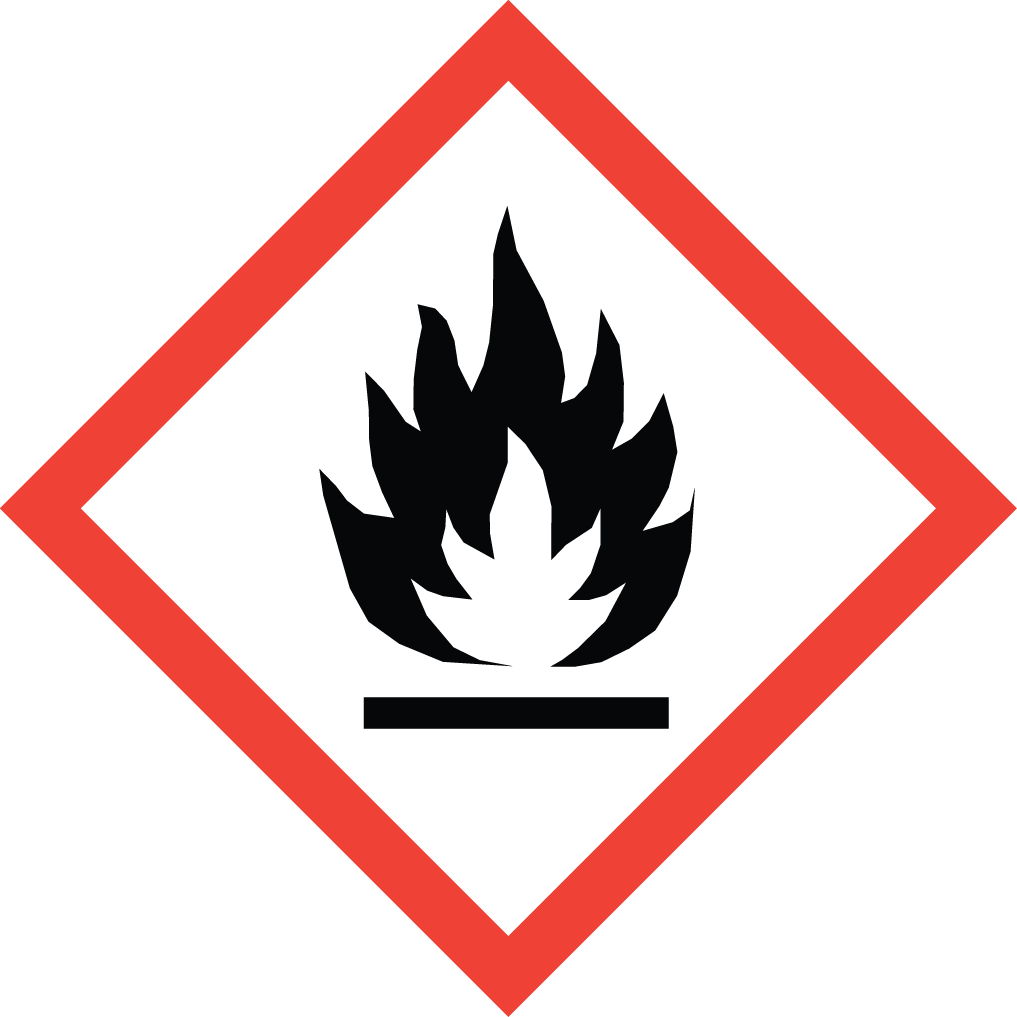 GHS02Flammable
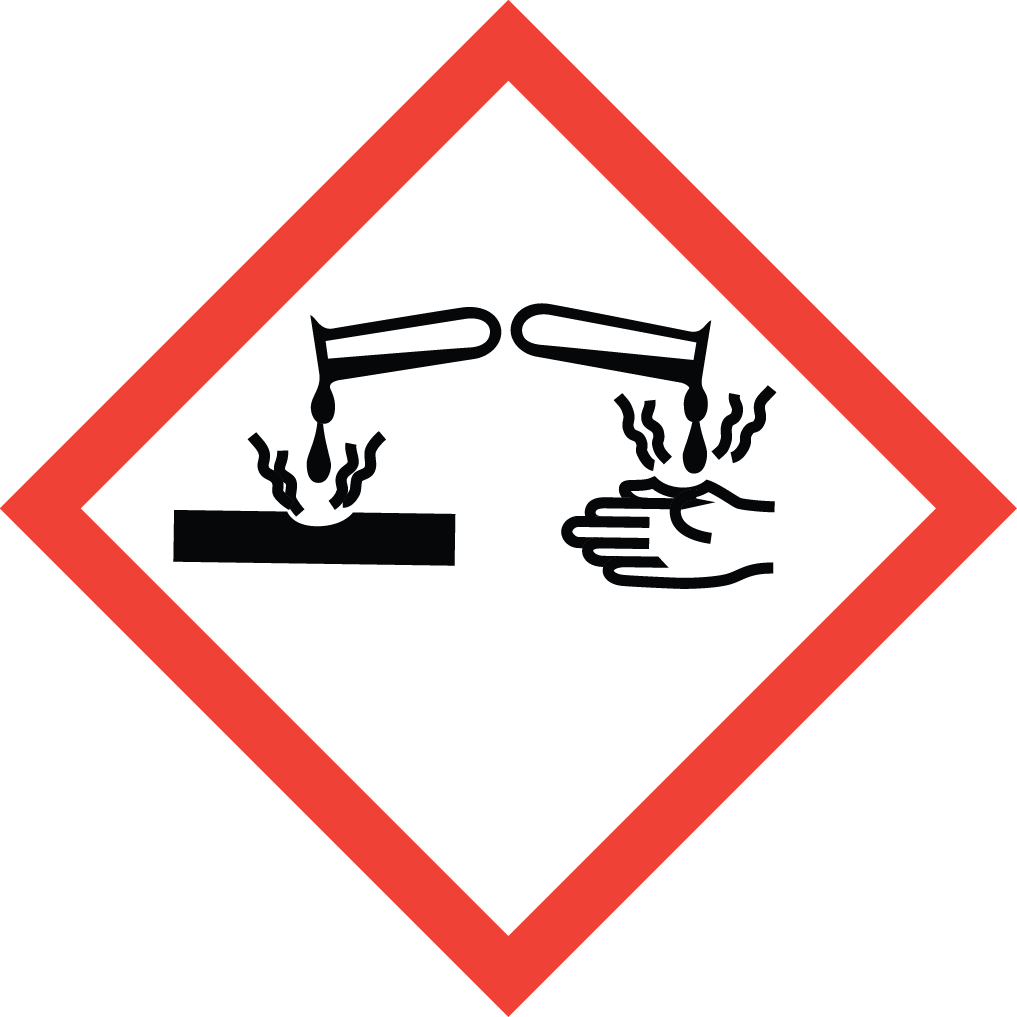 GHS05Corrosive
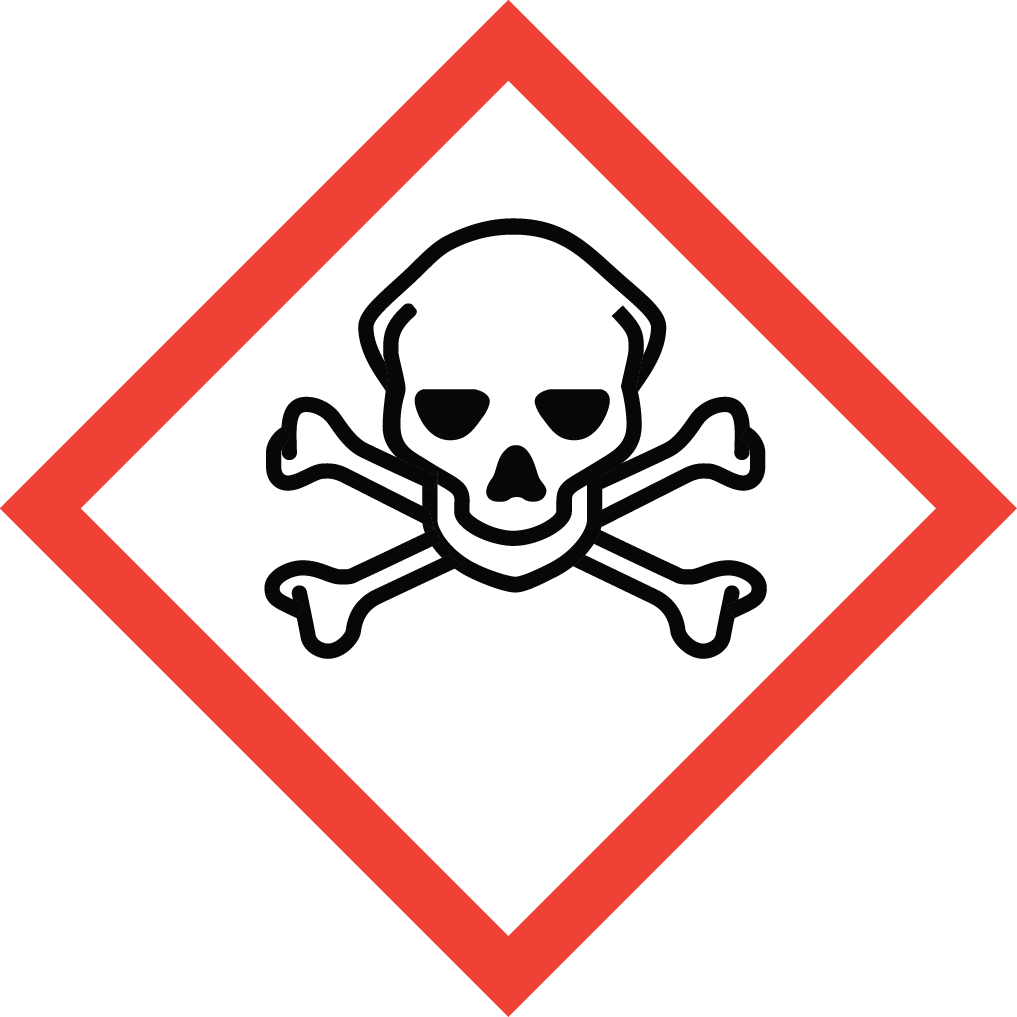 GHS06Acute toxicity
 GHS07Harmful / irritant
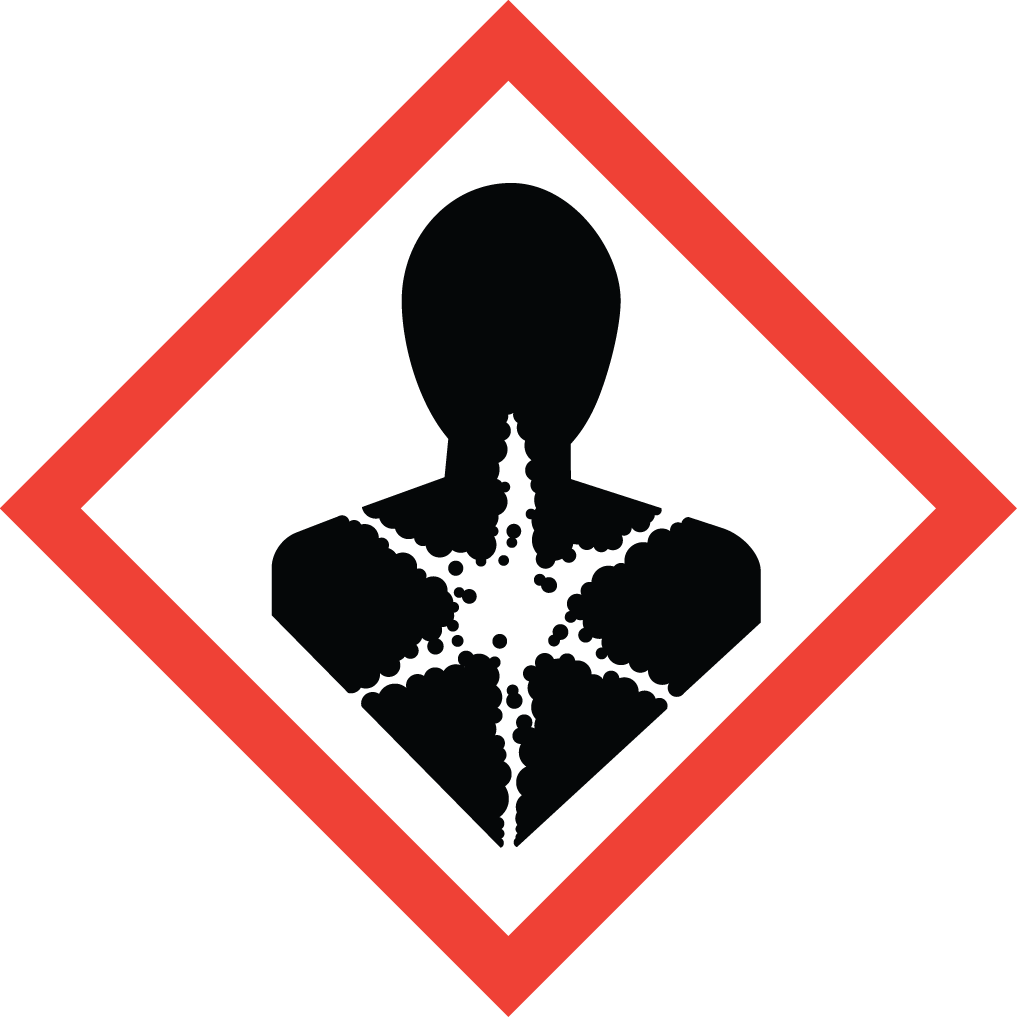 GHS08Health hazard
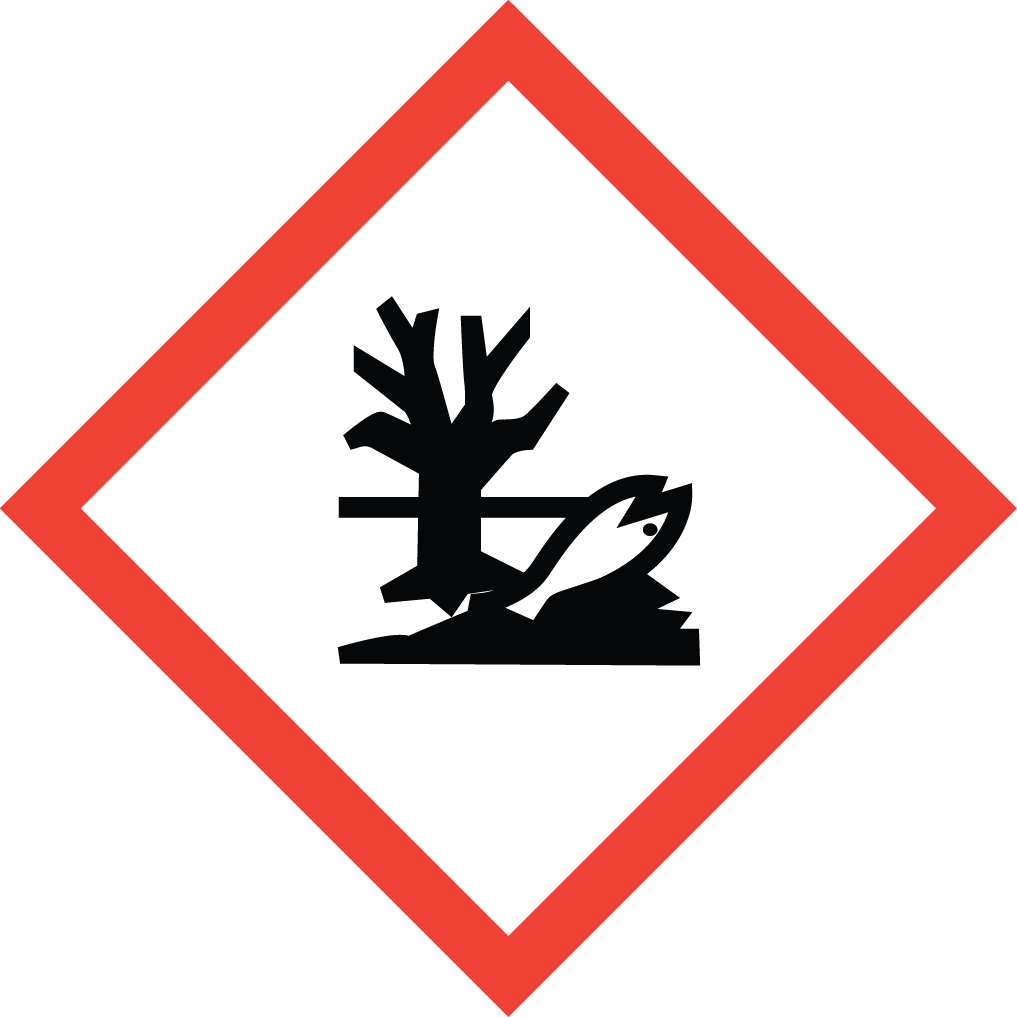 GHS09Environment
- EUH014
- Reacts violently with water.
- EUH018
- In use may form flammable/explosive vapour-air mixture.
- EUH030
- See full Safety Data Sheet for the hazard statement wording.
- EUH044
- See full Safety Data Sheet for the hazard statement wording.
- EUH059
- Hazardous to the ozone layer.
- EUH070
- Toxic by eye contact.
- EUH071
- Corrosive to the respiratory tract.
- H228
- Flammable solid.
- H250
- Catches fire spontaneously if exposed to air.
- H290
- May be corrosive to metals.
- H301
- Toxic if swallowed.
- H302
- Harmful if swallowed.
- H304
- May be fatal if swallowed and enters airways.
- H312
- Harmful in contact with skin.
- H314
- Causes severe skin burns and eye damage.
- H315
- Causes skin irritation.
- H317
- May cause an allergic skin reaction.
- H318
- Causes serious eye damage.
- H319
- Causes serious eye irritation.
- H331
- Toxic if inhaled.
- H332
- Harmful if inhaled.
- H334
- May cause allergy or asthma symptoms or breathing difficulties if inhaled.
- H335
- May cause respiratory irritation.
- H336
- May cause drowsiness or dizziness.
- H340
- May cause genetic defects.
- H350
- May cause cancer.
- H350I
- See full Safety Data Sheet for the hazard statement wording.
- H360
- May damage fertility or the unborn child.
- H362
- May cause harm to breast-fed children.
- H371
- May cause damage to organs.
- H373
- May cause damage to organs through prolonged or repeated exposure.
- H412
- Harmful to aquatic life with long lasting effects.
- H413
- May cause long lasting harmful effects to aquatic life.
Need the full hazard breakdown? Precautionary statements, first aid, physical properties and exposure controls are in the full SDS PDF.


Need to download the Chemical Risk Assessment? The full CRA PDF includes all hazard classifications, regulatory statements and recommended controls.